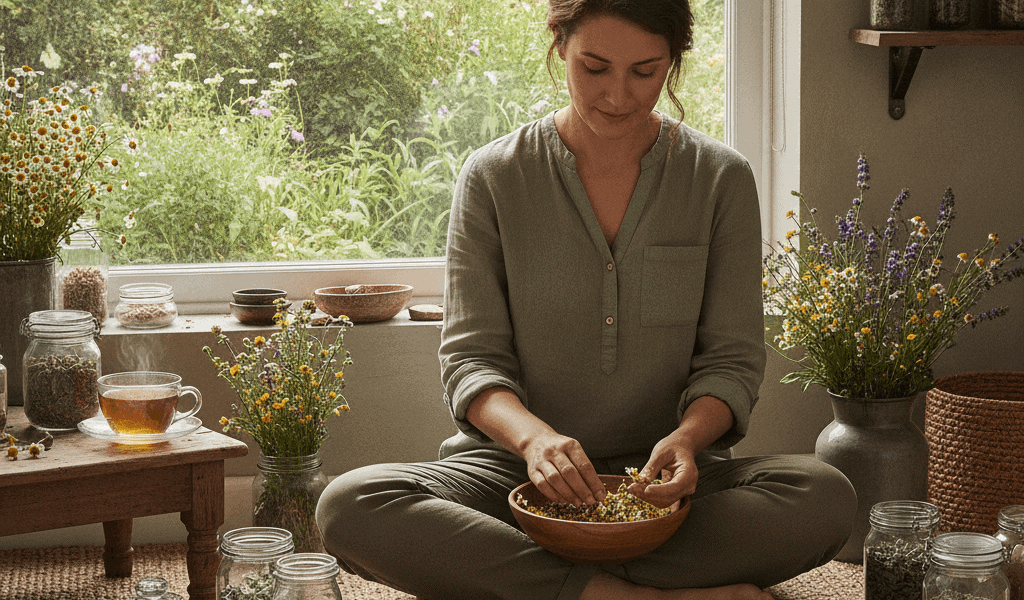
Prepare Yourself Before Trying Botanical Wellness
The world of wellness is constantly evolving, and one area that has really captured my attention recently is botanical wellness. It refers to using plant-derived products for health and well-being. This can include everything from herbal teas to essential oils and dietary supplements. Many people are exploring these natural options because they seek a more holistic way to support their bodies and minds.
I have seen a growing interest in incorporating nature’s remedies into daily life. It is exciting to see how plants can offer so many benefits. But with this excitement comes a crucial need for careful consideration. We cannot just jump into new wellness practices without understanding them first. That is why it is so important to Prepare Yourself Before Trying Botanical Wellness.
My goal here is to share some practical steps and important insights I have gathered. These steps will help you approach botanical wellness safely and effectively. We will look at how to gather information, consult experts, and choose quality products. This guide will help you feel confident and informed as you explore this path.
Understanding What Botanical Wellness Really Means
Botanical wellness involves using ingredients that come directly from plants to improve health. This idea is not new. Many cultures have relied on plant-based remedies for centuries. Today, we see a resurgence of interest in these methods. People are looking for natural ways to support their health, so they turn to botanicals.
I often hear people talk about “botanical” and “herbal” interchangeably. While they are very similar, botanical is a broader term. It includes all parts of plants, like flowers, leaves, roots, and bark. Herbal usually refers more specifically to herbs used for medicinal purposes. Both aim to use nature’s gifts for well-being. It is about working with natural compounds found in plants to achieve balance.
This approach to wellness is quite diverse. It is not just about drinking a specific tea. It can be about essential oils for relaxation, or tinctures for immune support. Some people use botanical ingredients in their skincare routines. Others incorporate them into their diet through superfood powders. The key is that these are all derived from plants and aim to promote health naturally.
The Spectrum of Botanical Practices
The range of botanical products available today is vast. For example, I have used chamomile tea for a calming effect before bed. This is a simple but effective botanical practice. Many essential oils also fall into this category. Lavender oil is often diffused for stress relief. Eucalyptus oil is used for respiratory support. These are popular choices because they use concentrated plant extracts.
Supplements derived from plants are another common form of botanical wellness. Turmeric is a root often taken in capsule form for its anti-inflammatory properties. Ashwagandha, an herb, is popular for stress adaptation. It is important to remember that even natural compounds can be powerful. So we should always approach them with respect and caution.
Why Research is Your First Step
Before you introduce any new botanical into your routine, research is absolutely non-negotiable. I cannot stress this enough. Understanding what you are taking, how it works, and its potential effects on your body is critical. Just because something is natural does not mean it is automatically safe for everyone. Different plants have different properties and can interact with your body in unique ways. This is the stage where you want to absorb as much knowledge as possible. This is what you should consider before trying botanical wellness.
I always start by looking up the common names and scientific names of the plants. This helps me ensure I am reading about the correct botanical. Then, I search for information on its traditional uses. I also look for modern scientific studies that confirm these uses or identify new benefits. It is important to seek out balanced information that discusses both the pros and cons. Some plants might be beneficial for one person but could cause issues for another, so understanding these nuances is essential.
Knowing the recommended dosages is also part of this research phase. Many botanical products have specific guidelines. Taking too much or too little might not provide the desired effect, and in some cases, too much can be harmful. I also look for any known side effects or contraindications. For instance, certain herbs are not recommended for pregnant women or individuals with specific health conditions. This detailed investigation helps me make responsible choices for my well-being.
Identifying Reputable Sources
When you are researching botanicals, the source of your information matters greatly. I prioritize academic research papers and studies published in reputable scientific journals. Websites of universities, government health organizations, or established herbal societies often provide reliable data. These sources usually back their claims with scientific evidence, which is what we need.
I also find it helpful to read books by certified herbalists or ethnobotanists. These professionals often have deep knowledge of traditional plant medicine combined with modern understanding. I avoid forums or blogs that rely solely on anecdotal evidence because while personal experiences can be helpful, they are not a substitute for scientific validation. Always cross-reference information from multiple trusted sources to get a complete picture.
Consult Healthcare Professionals First
After you have done your initial research, the next vital step is to talk to a qualified healthcare professional. I know some people might skip this part because they think botanicals are harmless. But this could be a big mistake. Doctors or pharmacists can give you personalized advice based on your health history. They can also tell you about any potential interactions with your current medications or conditions.
I always make an appointment to discuss any new botanical product I am considering. My doctor knows my medical background and all the prescription and over-the-counter medicines I take. This allows them to provide the best guidance. They can help you understand if a botanical might negatively affect your liver or kidneys. They can also advise if it could make other health issues worse. For example, some herbs can thin the blood, so if you are on blood thinners, this information is crucial.
Integrative medicine practitioners or naturopathic doctors are also great resources. They often have specific training in botanical medicine and can offer a more detailed perspective. These professionals can help you weave botanicals into your overall health plan safely. They can suggest appropriate dosages and monitor your progress. This professional oversight gives me peace of mind and ensures I am making choices that truly support my health without unintended risks.
Important Questions to Ask Your Doctor
When you consult your healthcare provider, come prepared with a list of questions. I always do this to make sure I cover everything. First, I ask about the general safety of the botanical for someone with my specific health profile. I want to know if there are any conditions I have that would make this botanical unsafe.
Next, I inquire about potential interactions with my current medications. This is critical because even common supplements can alter how prescription drugs work. I also ask about the recommended dosage and how long I should take it. My doctor might suggest a lower dose to start or advise on the best time of day to take it. Finally, I ask what side effects to watch for and when I should stop taking the botanical or seek further medical attention. Being thorough at this stage protects my health and helps me use botanicals wisely.
Sourcing Quality Botanical Products
The effectiveness and safety of botanical wellness products largely depend on their quality. I have learned that not all products are created equal. It is really important to be picky about where you buy your botanicals. You want products that are pure, potent, and free from contaminants. Poor quality products might not work as intended, and they could even contain harmful substances.
I always look for brands that are transparent about their sourcing and manufacturing processes. They should openly share information about where their plants come from. They should also detail how they are processed. Knowing this helps me trust the product. It tells me that the company cares about what they are selling. Organic and sustainably sourced options are also preferable because they often indicate higher quality. They also show a commitment to environmental responsibility.
Third-party testing is another key indicator of a quality product. This means an independent lab has verified the ingredients. They check for potency and purity. They also make sure there are no heavy metals or pesticides. This extra step provides an important layer of assurance. It helps me know that what is on the label is actually in the bottle. So I always look for this on product packaging or on the company’s website.
What to Look for on Product Labels
When I am shopping for botanical products, I pay close attention to the labels. First, I check for a clear list of all ingredients, including the specific plant parts used. The scientific name of the plant should also be there because common names can sometimes be confusing. I also look for information on the concentration or standardization of the active compounds. This tells me how potent the product is. It also helps with consistent dosing.
Certifications are also important. I look for organic certifications, which ensure the plants were grown without harmful pesticides. Good Manufacturing Practices or GMP certification indicates that the product was made under strict quality control standards. The expiration date is another detail I always check because botanicals can lose their potency over time. Finally, I confirm the country of origin. This helps me understand the growing conditions and regulatory environment. All these details help me choose a product that I can trust for my health.
Start Small and Observe Carefully
When you begin using a new botanical product, my advice is always to start with the lowest recommended dose. You should then slowly increase it if needed. This method, often called “start low and go slow,” helps your body adjust. It also allows you to gauge your individual reaction. We are all unique, so what works for one person might be too much or too little for another.
I have found that patience is key during this initial phase. It is not about instant results. It is about understanding how the botanical interacts with your system over time. Pay close attention to how you feel both physically and mentally. Note any changes in your energy levels, sleep patterns, mood, or digestion. These observations are valuable. They help you determine if the product is beneficial and if the dosage is right for you. If you experience any negative or unexpected side effects, stop taking the product immediately and consult your healthcare provider.
I consider this a period of self-experimentation, but a very careful one. It is like gently introducing a new food into your diet. You would not eat a whole plate of something new if you were unsure how your body would react. The same caution applies to botanicals. Taking a slow, measured approach reduces the risk of adverse reactions. It also maximizes the potential benefits by finding your ideal dose.
Keeping a Wellness Journal
To help with this observation period, I strongly recommend keeping a wellness journal. It does not have to be fancy. A simple notebook or an app on your phone works perfectly. I use my journal to record several key pieces of information. This includes the date and time I take the botanical, the specific dosage, and any other supplements or medications I am using that day.
More importantly, I jot down how I feel each day. This includes both positive effects, like improved sleep or reduced stress. It also includes any negative reactions, such as headaches or digestive upset. Tracking my energy levels, mood, and any noticeable physical changes helps me see patterns. Over a few weeks, this journal becomes a valuable record. It shows me what is working and what is not. This data is also very useful to share with my doctor during follow-up visits. It helps us make informed decisions about continuing or adjusting my botanical regimen.
Embracing a Holistic Approach
It is important to remember that botanical wellness is just one piece of a larger health puzzle. I see botanicals as powerful allies, but they work best when combined with a healthy lifestyle. They are not a magic cure for all ills. Instead, they support your body’s natural healing abilities. We should not rely on them to fix things that a balanced diet, regular exercise, or proper sleep could address.
I always strive to maintain a healthy diet, rich in whole foods, fruits, and vegetables. Getting enough physical activity and managing stress are also crucial components of my well-being. Botanicals can enhance these efforts. For example, if I am trying to improve my sleep, a calming herbal tea might help. But it works best when I also stick to a consistent sleep schedule and reduce screen time before bed. It is about creating a comprehensive strategy for health, where every part supports the others.
Think of it as building a strong foundation for your health. Botanicals can be like helpful tools that strengthen different areas. But the foundation itself comes from consistent healthy habits. We cannot expect a botanical to counteract a poor diet or chronic stress. They complement good habits, they do not replace them. So I encourage everyone to look at their entire lifestyle. Think about how botanicals can fit into that bigger picture.
Conclusion: A Thoughtful Path to Botanical Wellness
Exploring botanical wellness can be a truly enriching experience. It offers a way to connect with nature and support your health naturally. But the key to making this journey successful and safe lies in thorough preparation and a mindful approach. I have found that taking the time to understand, consult, and observe makes all the difference. We start by deeply researching each botanical to truly grasp its properties and potential. This means looking at both traditional wisdom and modern science to get a complete picture. Because knowledge really is power when it comes to your health.
I strongly advocate for open conversations with healthcare professionals. They can offer invaluable insights into how botanicals might interact with your specific health conditions or medications. Their guidance helps to ensure safety and prevents unintended complications. Choosing high-quality products from reputable sources is equally important. This ensures you are getting pure and potent botanicals that will actually work as intended. Always prioritize transparency and third-party testing when making your selections.
Finally, remember to approach botanical use with patience and careful observation. Start with small doses and pay close attention to how your body responds. A wellness journal can be a fantastic tool to track your progress and identify what works best for you. Embrace botanical wellness as part of a holistic lifestyle that includes good nutrition, regular movement, and stress management. By taking these thoughtful steps, you can confidently integrate botanicals into your routine. This will help you experience their potential benefits in a safe and sustainable way. I encourage you to embark on this path with curiosity and responsibility. You can discover natural ways to enhance your overall well-being.