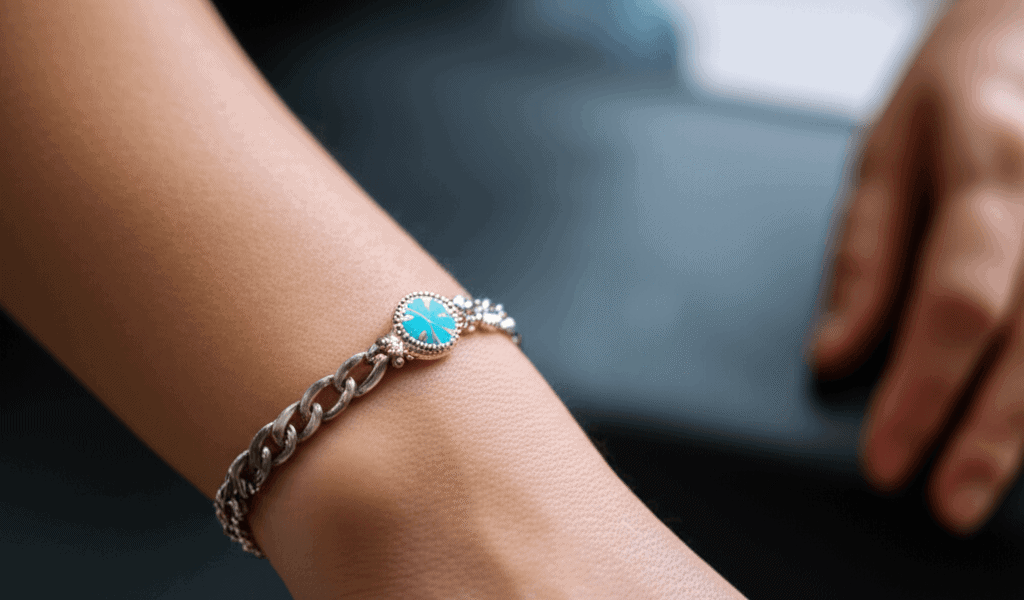
Why Medical Bracelets Are a Necessity Not a Luxury
Medical bracelets save lives in a heartbeat when time runs out. If someone falls or can’t talk, cops, nurses, or strangers hunt for clues to understand the problem. A bright, clear bracelet is like a secret password, delivering important health facts instantly. This quick info can flip danger into help before things go wrong. Wondering why medical bracelets aren’t just cool accessories but actual lifesavers hits home for anyone who wants to stay safe. These little bands hold huge power, bringing calm and fast answers as the clock ticks. Learn how this simple bracelet could be the smartest, life-saving decision ever made and why it deserves a spot on your wrist.
We live with medical plans and devices that sit in the background of daily life. A medical bracelet is one of the simplest and most effective precautions. This piece will lay out real examples, data driven reasons, and practical tips so you can make a clear choice for yourself or loved ones. If you want further reading on how everyday risk items fit into modern life, see the analysis at Daily Business Group for another perspective.
Why a medical bracelet matters in emergency care
There are moments when a minute makes a difference. A patient with severe allergies, a pacemaker, or diabetes may not be able to speak. First responders follow protocols that look for medical identification. A bracelet with clear, visible information reduces the chance of treatment delays or wrong interventions.
Consider these practical examples. A swimmer with an unknown allergy is pulled from the water and given medication. The allergy engraved on a bracelet prevents a life threatening reaction. A runner collapses during a marathon. The bracelet notes diabetes and lists insulin type, which guides glucose testing and insulin decisions. Those seconds and decisions alter outcomes.
Evidence that medical ID reduces medical errors
Hospital studies show communication gaps cause a substantial share of medication errors. When a patient cannot provide history, clinicians rely on records that may not be immediately available. A medical bracelet closes that gap at the point of care.
Surveys of emergency staff report they look for ID bracelets as a routine step. In one field study of pre hospital care, visible medical ID changed immediate treatment choices in a measurable number of cases. That translates into fewer unwanted drug interactions and fewer diagnostic delays.
Who benefits most from wearing a medical bracelet
Some groups get higher value from a bracelet because of the nature of their risks. Examples include people with chronic conditions, those taking complex medication regimens, and anyone with severe allergies. Here are practical categories.
- People with diabetes who use insulin, since treatment steps differ for low versus high glucose.
- Patients with implanted devices like pacemakers, since some procedures are restricted.
- Individuals with severe allergies to foods, insect stings, or medications, where anaphylaxis can occur within minutes.
- Those with neurological conditions that can cause confusion or loss of consciousness.
- Anyone on blood thinning medication where trauma could trigger serious bleeding.
Choosing the right bracelet for your needs
Not every bracelet is intended for every situation. Basic metal bands, silicone bands, and electronic tags have different strengths. Pick the product that matches the daily routine and likely scenarios.
Material and durability
Metal bands with engraved text last decades and remain readable. Silicone bands are less noisy for sports and cheaper to replace if lost. If you spend time in water, pick rust resistant materials and clear engraving that will not wear away. Think about the environments you frequent at work or during recreation, and match the bracelet accordingly.
What information to include
Keep the message short and focused. Critical items are diagnosis, major allergies, and an emergency contact. Here is a practical example of a concise inscription that fits most bands, using abbreviations when needed.
- Type 1 Diabetes, Insulin
- Penicillin Allergy
- ICE Jane Doe 0123 456 789
Long lists are hard to read during an emergency. If you have more to say, consider a secondary option like a wallet card or a QR that links to a full profile. Some bracelets include a short code and a company phone number to access details. That choice keeps the visible text short while preserving important data.
Technology options and practical trade offs
Modern medical ID options include QR codes and NFC chips embedded in bracelets. These store detailed records accessible with a smartphone. They work well when first responders have scanning tools but they depend on battery, network, or compatible devices. Physical engraving works when tech fails, which is common in remote locations and crowded events.
When to choose tech and when to stick with engraving
If you travel in remote areas or participate in contact sports, pick engraved metal. If you prefer carrying full records and use tech friendly settings, a QR or NFC tag gives space for medications, emergency contacts, and recent surgeries. Both methods can be combined for redundancy.
Legal, workplace, and travel implications
Wearing medical identification can affect interaction with workplace safety officers, travel clinics, and schools. In many work settings a bracelet can guide first aid and reduce liability because responders can act with the correct clinical context. For travel, a bracelet with allergy or medication notes helps local clinicians who may not have immediate access to your health records.
Check policies for activities like aviation, diving, and team sports. Certain events require notifying organizers of medical conditions, and wearing a bracelet complements other steps. Keep copies of prescriptions and a printed summary of critical info when you go abroad, since not every place scans QR codes easily.
How to integrate a bracelet into daily routine
Change happens when a habit fits into the day. Treat a bracelet the same way you treat glasses or keys. Put it on in the morning and leave it on during workouts or travel. Use an established spot for storage when you remove it, such as a jewelry dish or a key tray, to avoid forgetting it in a rush.
Teaching family and caregivers
Explain the purpose of the bracelet to family members and caregivers. Practice a simple script they can use when calling emergency services, and show them where medical documents are kept. For minors and elderly relatives, pair a bracelet with an accessible record in the home so responders can confirm details quickly.
Cost, accessibility, and how to start
Medical bracelets are affordable. Basic engraved bands cost a few pounds or dollars, while smart bands are pricier. Many community health programs and clinics can point to low cost options for people on tight budgets. Buying decisions should weigh durability and visibility rather than style alone.
Start small. If you have one health condition that could change how a clinician responds, order a simple engraved bracelet today. Check the legibility and test it in bright and dim light. Swap details if you change major medications. A small yearly review keeps the information current and useful.
Practical tips to keep your bracelet effective
- Use clear wording and standard abbreviations so clinicians recognize terms instantly.
- Include one emergency contact and a phone number that works at different times of day.
- Maintain a backup such as a wallet card or digital file in a secure location.
- Check engravings for wear and replace the band when text becomes hard to read.
- Match the style to daily activities to avoid removal during busy days.
Medical bracelets are simple tools with measurable impact. They reduce guesswork, offer immediate clues to the right treatment path, and connect responders to critical contacts. For people with chronic conditions, allergy risks, or device implants, a bracelet is low cost and high value. It belongs with other daily safety routines people follow without a second thought.
Wearing a medical bracelet is a decision that protects you and those who care for you. If you have been on the fence, pick a durable option and include only the most critical details. Check the band once a year and update contact numbers after major life changes. Small steps of preparation change how a crisis unfolds.
Conclusion
Medical bracelets belong in the category of basic, practical safety items everyone should consider. The case for Why Medical Bracelets Are a Necessity Not a Luxury rests on real benefits. They shorten assessment time for clinicians, reduce medication related errors, and provide clear information when a person cannot speak. From engraved metal bands to smart tags that link to fuller records, each option has trade offs. The right pick depends on daily habits, travel patterns, and the nature of any medical risks. Start with readable, concise engraving and add a digital backup if you want more detail. If you manage care for children or elderly relatives, make the bracelet part of a broader plan that includes documented medications and emergency contacts. Take action now, order a bracelet that matches your needs, and set a yearly reminder to review the information. A modest purchase and a simple habit can make an outsized difference in emergency care.