When to Replace a Sewer Line
Knowing when to replace a sewer line can puzzle any homeowner. Small clogs and slow drains pop up like warning signs. If these issues hang around or get worse, the problem might run deeper than expected. A quick fix may wear off fast—sometimes swapping out the entire line saves your home’s value and prevents bigger trouble. Ignoring these signals can cause major headaches later. Catching problems early shields your home and keeps everything working right. This advice helps anyone wanting to dodge expensive repairs and hassle down the road.
This article walks through clear indicators to watch for along with common causes, inspection steps, replacement options, cost factors, and hiring tips. Use the guidance here to decide when to move from repeated fixes to a permanent solution and to plan the work with confidence.
When to Replace a Sewer Line Signs that signal it’s time
There are several repeatable clues that a sewer line is failing. One or two minor issues may not require replacement. Several of the following signs occurring together usually means the pipe is compromised and replacement should be considered.
- Frequent backups into sinks, tubs, or toilets despite repeated snaking or local repairs
- Persistent foul odor in the yard or inside the home that grows worse after rain
- Multiple slow drains in different areas of the house at the same time rather than a single fixture
- Lush patches or sinkholes in the yard near the sewer route which can mean a leaking line fertilizing soil or causing collapse
- Sewage on the ground surface or pooling where it should not be
- Unexplained spikes in water or sewer bills that suggest loss through a broken pipe
Common causes of sewer line failure
Understanding root causes helps with planning the replacement method and avoiding future problems. Some causes result from age while others come from environmental or human factors.
- Tree root intrusion The most frequent cause where roots penetrate joints seeking moisture and then enlarge the gap as they grow
- Corrosion and material breakdown Older materials such as clay or cast iron can deteriorate after decades of service
- Ground movement Shifting soil, settling, or heavy equipment driving over a line can misalign or crush pipes
- Poor initial installation Incorrect slope, weak joints, or pipe laid too shallow increases risk
- Blockages and buildup Accumulation of grease, nonflushable items, or sediment that repeatedly clogs the pipe and wears it down
How old is your sewer pipe and typical lifespans
Pipe material strongly influences expected lifespan and the likely timing of replacement. Knowing what material is under your feet helps set realistic expectations.
- Clay pipes Often installed in older neighborhoods with a useful life of several decades but joints can fail as soil shifts
- Cast iron Durable but susceptible to internal corrosion and root infiltration after many years
- Concrete Heavy and strong yet prone to cracking over time in certain soils
- PVC and ABS Modern plastics resist corrosion and roots better yet still can suffer damage from shifting ground or improper bedding
If your sewer line is fifty years old or older and you see the signs listed previously replacement is often the most cost logical choice over repeated repairs.
Diagnostic steps every homeowner should expect
Before committing to replacement a proper inspection identifies the exact problem and reduces surprises. A few diagnostic actions provide clarity and help choose the right method.
- Video camera inspection A camera run inside the line reveals cracks, roots, offsets, collapses, and the general condition
- Leak detection and ground scanning Locates the route and any leaks that might not surface yet
- Total cost comparison Evaluate the cost of repeated fixes versus full replacement over a reasonable planning horizon
Video inspection details
Camera inspection is the gold standard for diagnosis since it shows the inside of the pipe in real time. Look for joint separation, root balls, broken sections, and large intrusions that cannot be cleared permanently. Request a copy of the footage to keep documentation and confirm the recommendation for replacement.
When a temporary fix still makes sense
There are cases where cleaning and local repair are suitable. If the camera shows only a single root intrusion or a small offset that can be sealed, a spot repair or hydro jetting may restore service for years. If similar issues recur, plan for replacement.
Replacement methods explained
Two main approaches exist for replacing a sewer line. The best option depends on the pipe location, degree of damage, yard impact concerns, and budget.
Full excavation replacement
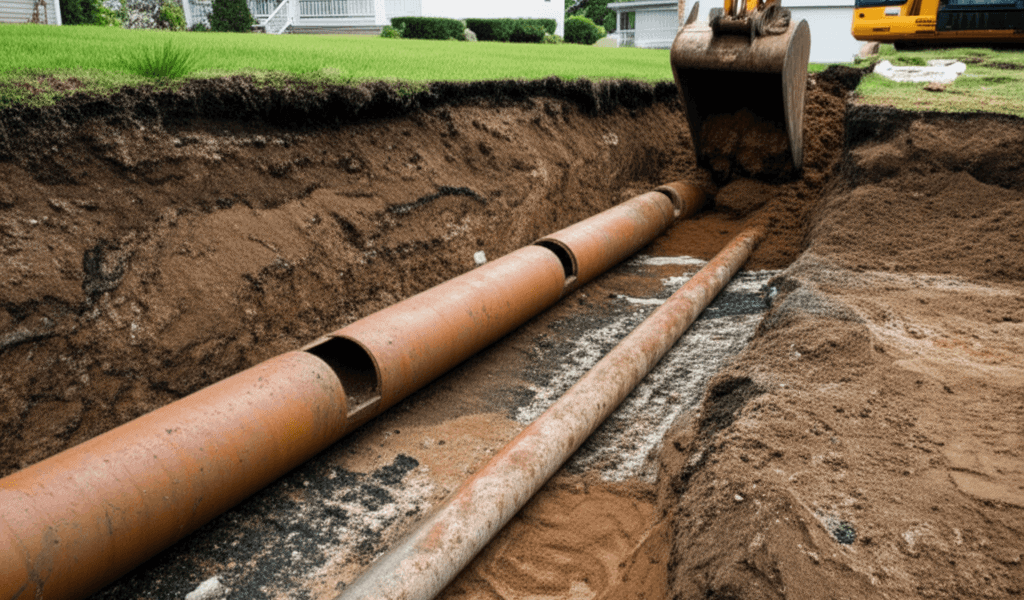
This method involves digging a trench along the pipe route, removing the damaged section, and installing new pipe. It is straightforward and typically used when the pipe is collapsed or multiple joints are failing. Excavation is often the least expensive per foot when access is easy but is more disruptive to landscaping and hardscapes.
Trenchless options
Trenchless techniques include pipe bursting and cured in place lining. These methods reduce the amount of digging and can save time with less disruption to plants, driveways, and sidewalks. Trenchless is a strong choice when the main concern is preserving surface areas and when the existing pipe interior is intact enough to pull through or line.
Cost factors and how to budget for replacement
Costs vary widely by region, depth, distance to the main, material chosen, and whether surface restoration is required. Consider these elements when forming a budget estimate.
- Trenchless versus open trench Trenchless often has higher per foot pricing but lower restoration costs
- Pipe material High quality PVC will differ from other types in price and longevity
- Access and landscaping Driveways, patios, and trees increase restoration costs if excavation is required
- Permits and inspections Local permit fees and mandatory inspections are normal and vary by jurisdiction
Ask for a written estimate that breaks out labor, material, equipment, permits, and final cleanup so you can compare offers fairly. Also ask about warranty terms for both workmanship and materials.
Choosing a contractor and what questions to ask
Selecting the right professional makes a major difference in outcome and long term maintenance needs. Look for contractors with experience in municipal codes and local soil conditions.
- Request references and examples of recent work nearby
- Confirm they will perform a camera inspection before committing to a replacement plan
- Ask about the exact replacement method and what surface restoration will be included
- Verify licensing and proof of liability coverage for the crew and equipment
When you speak with a contractor ask for timelines and a clear description of what you will see on site each day. Reliable teams will explain trade offs between methods and leave you with documentation of the condition prior to work.
For homeowners in many areas finding trustworthy local contractors can save time and stress. If you need a starting point for an evaluation consider looking for reliable sewer services that provide camera inspections and written assessments to help plan next steps.
Practical tips for preventing the need for replacement
While some failures are inevitable with age certain habits and maintenance steps slow deterioration. Regular attention can delay replacement and reduce emergency situations.
- Limit what you flush and avoid grease going down kitchen drains
- Keep large trees planted away from the sewer line route when possible
- Schedule periodic professional cleanings and camera checks especially if your house is older
- Monitor your yard for unexpected wet spots or sinkholes and address them quickly
When delay increases long term cost
A single small leak left untreated can widen, causing soil loss and collapse that raises replacement cost. Repeated temporary repairs become more expensive than a planned replacement over a short time window. If a contractor documents progressive deterioration replacing the line now often reduces total cost and avoids health hazards.
Remember to secure any required permits before work and to plan for restoration. If major landscaping or hardscape must be removed, itemize those costs and get options for replacement materials and schedules. Good planning reduces surprises and keeps the project on budget.
Deciding when to replace a sewer line is about reading the warning signs, choosing the right inspection and replacement method for your situation, and balancing short term cost with long term value. If you see multiple indicators such as frequent backups, yard sinkage, persistent odors, or camera footage showing major damage replacement should move to the top of your home maintenance list.
When you are ready to act get at least two written estimates, check references, and confirm the scope includes permits and restoration. Replacing a sewer line protects your home and family from health risks and prevents escalating costs from ongoing failures. Take the step today to schedule an inspection if you suspect a problem and plan the work with clear documentation and timelines so you return your property to full function quickly.